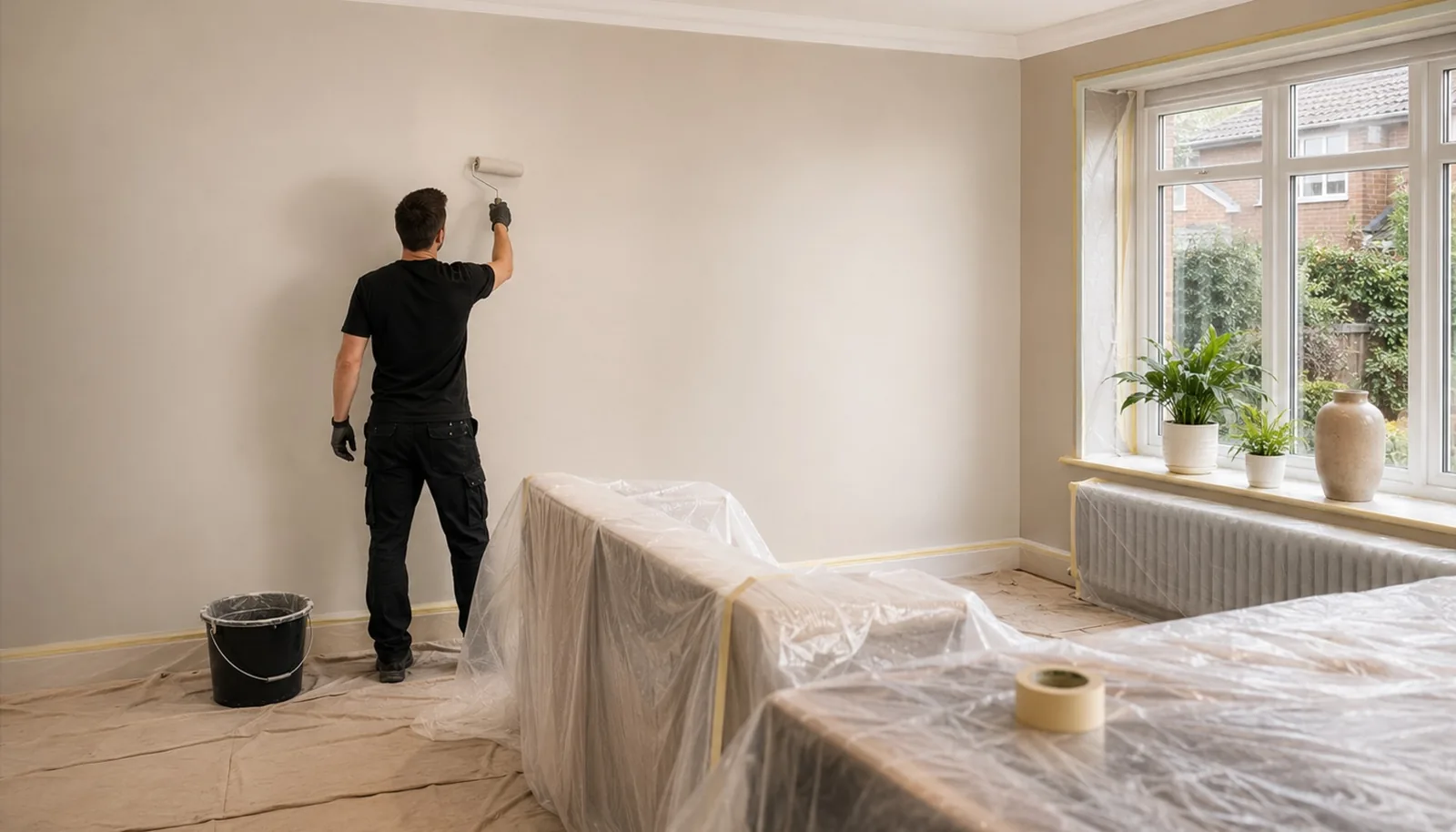
Painting and decorating
Neat edges matter, but sound repairs, dry surfaces and protection of the occupied property come first.
Discuss interior decorating · Read preparation guidance
G&M Property Maintenance undertakes interior decorating for homes, rental properties and suitable commercial areas. The scope can include walls, ceilings and agreed woodwork, together with the preparation needed for the expected finish.
Before colour
The room should be assessed for:
- loose or flaking paint;
- cracks, holes and damaged corners;
- local plaster failure;
- active or historic staining;
- mould or condensation;
- damaged sealant;
- woodwork condition;
- furniture, flooring and access.
A stain that is still changing needs investigation before it is covered.
Protection and access
Floors, fixed fittings and remaining furniture are protected according to the work. Fragile, valuable and personal items should normally be removed by the customer. Occupied rooms may need a plan for daily access, ventilation and drying.
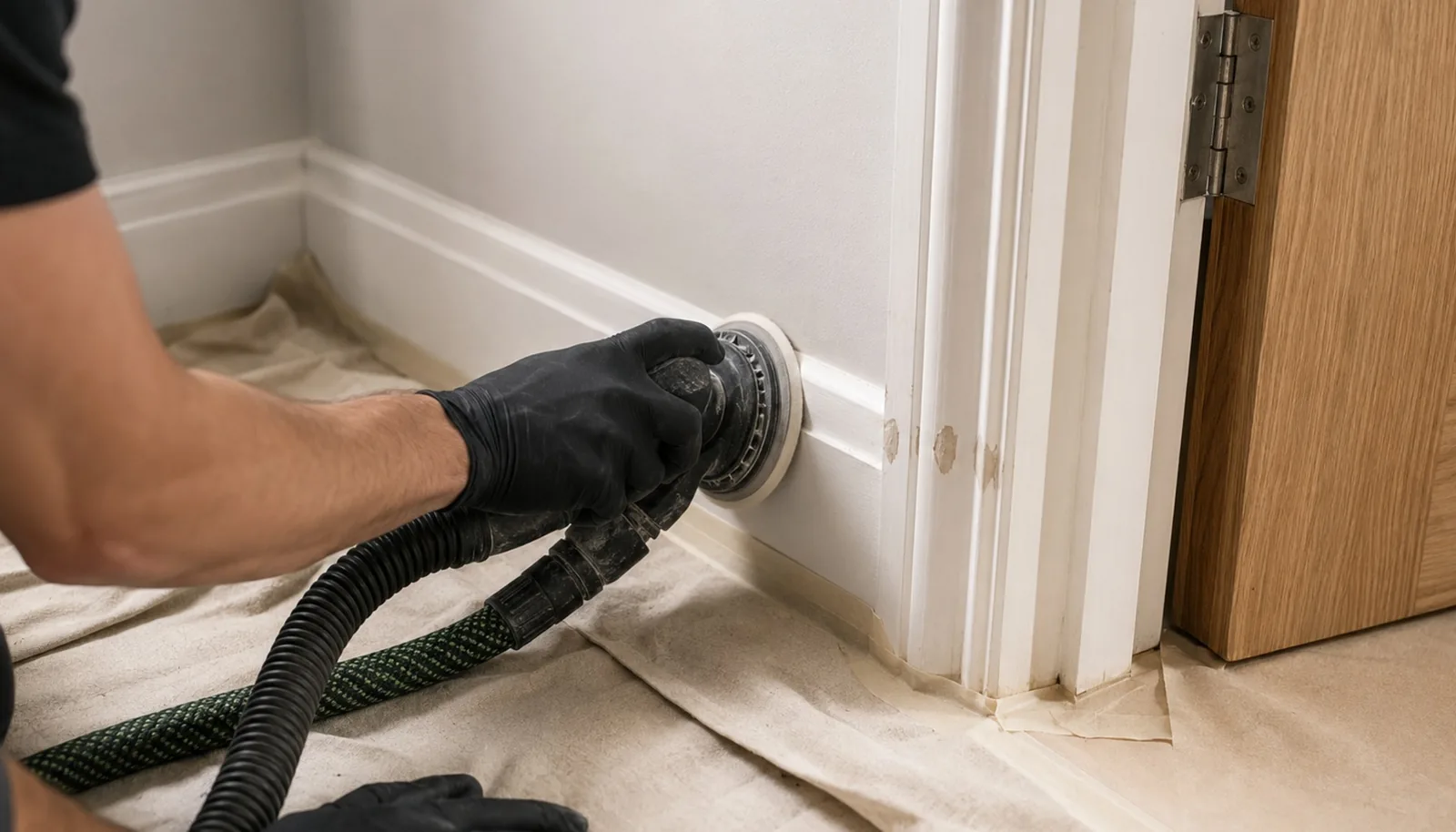
Surface preparation
Loose coatings are removed, sound surfaces cleaned or keyed, and cracks or holes repaired. Bare or repaired areas may need primer. Different substrates require different preparation; one universal “quick coat” does not exist.
Older paint can contain lead. Uncontrolled dry sanding or heating can create hazardous dust or fumes, so the age and condition of coatings matter.
Walls, ceilings and woodwork
Ceilings often show water or settlement marks more readily. Woodwork needs cleaning, keying and repair before final coats. Doors and windows must not be painted shut or have important seals and hardware clogged.
Rental and commercial refreshes
Empty properties can often be decorated efficiently, but a quick turnaround should not hide leaks, loose plaster or recurring damp. Commercial rooms may need work staged around use.
Questions about interior decorating
How many coats will be needed?
It depends on colour change, product, substrate, repairs and existing finish. The agreed specification should set the expectation.
Can mould simply be painted over?
No. The moisture source, ventilation and surface condition need addressing. A coating alone does not remove the cause.
Do cracks always return?
Stable minor cracks can be repaired, but movement may recur. Wider or changing cracks need appropriate assessment.
When can a newly plastered wall be painted?
It must be sufficiently dry and prepared for the chosen system. Timing varies with thickness, ventilation, temperature and conditions.
Send room views in natural light
Show the walls, ceiling, woodwork, damaged areas and furniture that affects access.