Projects and workmanship
Inspection, preparation, detailing and honest handover matter just as much as the visible finish.
Discuss your project · View our services
This page explains how G&M Property Maintenance approaches work. It does not turn campaign photography into invented case studies. Genuine customer projects can be added when there is permission, accurate project information and a clear record of what was actually completed.
1. Understand the starting condition
The first stage is to look beyond the most obvious symptom. A sound repair depends on the material around the defect, the route taken by water, the condition of the substrate and whether another component is contributing.
Photographs may be enough for a simple job. Larger renewals, hidden damage, roof or drainage problems and recurring defects often need closer inspection.
2. Agree what the work includes
The scope should describe the area, preparation, intended repair or renewal, relevant materials and the finish being allowed for. It should also identify anything that cannot be confirmed until work is opened up.
Clear assumptions are better than a quotation that looks precise but quietly depends on everything beneath the surface being perfect.
3. Prepare the area properly
Preparation changes with the trade:
- failed mortar is removed to a suitable depth without damaging the masonry;
- loose coatings and unsound surfaces are dealt with before painting;
- roof decks and details are checked before a new membrane is applied;
- paving bases, edges and falls are corrected before the finish is relaid;
- surrounding floors, rooms or gardens are protected where the work requires it.
The preparation should suit the existing property and the materials being used.
4. Sequence related work
Water-entry repairs come before internal decoration. Masonry or render repairs need the right conditions before coating. Drainage and levels should be considered before a finished patio is laid. In a refurbishment, different trades should not undo each other's work.
5. Deal with concealed findings openly
Some conditions are genuinely hidden. A roof covering may conceal damaged decking. A loose patio may reveal an inadequate base. Removing failed render can expose weaker surrounding areas.
If the discovery changes the method or price, it should be explained and agreed—not disguised as an inevitable extra after the decision has already been made.
6. Inspect and hand over
Completion includes checking the visible work, tidying the area and explaining anything that still needs drying, curing, monitoring or separate specialist attention. A local repair should not be presented as a complete renewal, and a temporary measure should not be described as permanent.
What good workmanship looks like in different areas
Roofing
Correctly aligned materials, secure details, neat junctions and outlets that can discharge. The system must suit the roof and be installed in conditions allowed by the manufacturer's guidance.
Brickwork and repointing
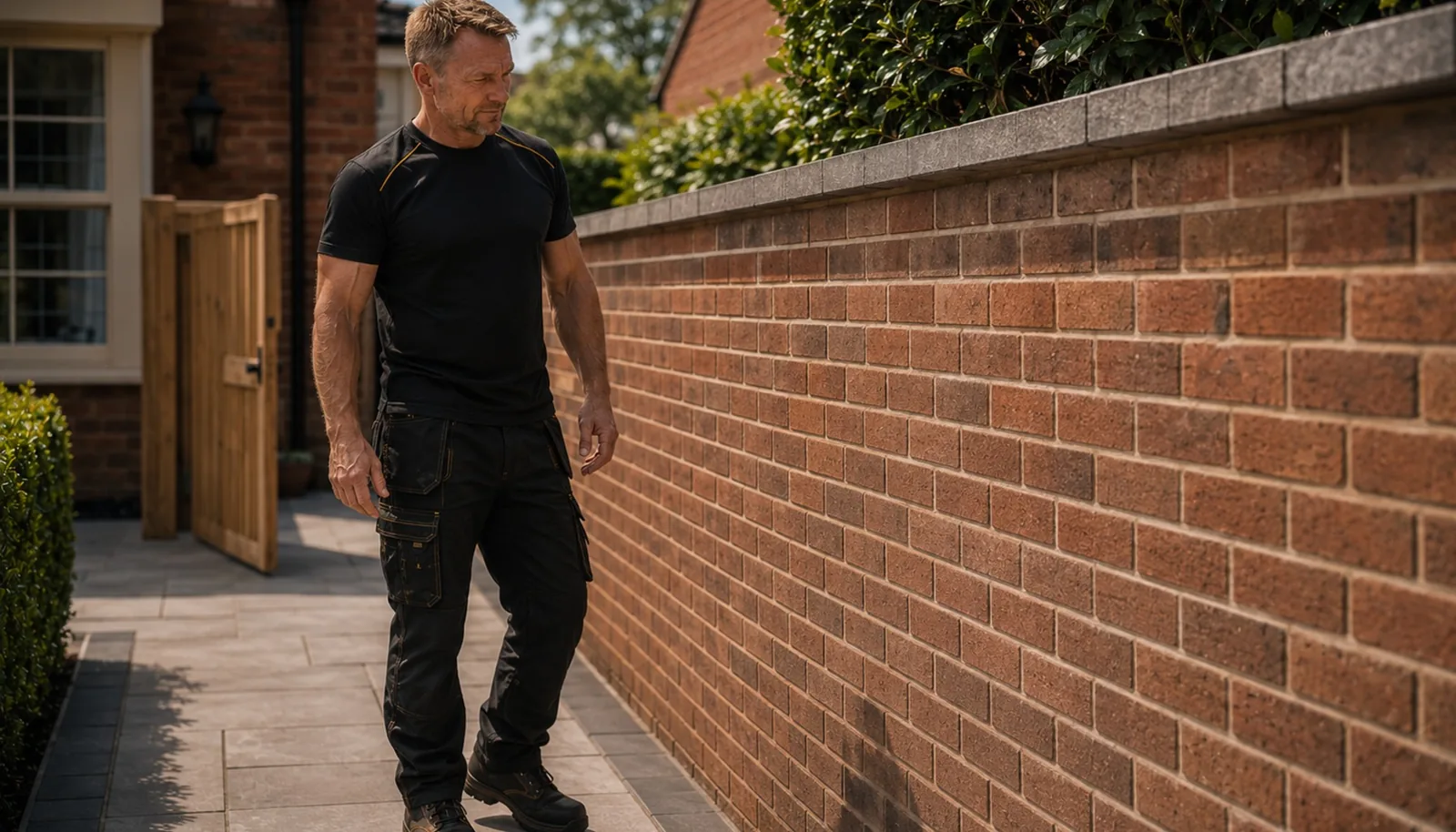
Clean brick faces, consistent joints and a mortar compatible with the masonry and exposure. Hard, smeared pointing is not a shortcut to durability.
Paving
Stable support, useful falls, sound edges, neat cuts and joints appropriate to the chosen material. Appearance alone does not correct movement or poor drainage.
Decorating
Sound preparation, dry surfaces, neat cutting-in and a finish chosen for the surface and exposure. Repeated staining should be investigated before it is covered.
Plumbing
Accessible joints and fittings should be secure, supported and tested as appropriate. The work must stop at gas or other regulated boundaries.
Questions about projects and photographs
Are all images on the website completed G&M projects?
No. General service imagery illustrates work and materials. A genuine project will be clearly identified and will use real facts rather than a fictional story.
Can I ask for a repair rather than full replacement?
Yes. The condition and likely value of the repair need to be considered. We will explain if the surrounding material makes a local repair poor value.
What if the existing work is defective?
The first step is to understand why it failed. Repairing over movement, moisture, inadequate support or incompatible materials may simply repeat the problem.
Will I be told if a specialist is needed?
Yes. Electrical, gas, structural, asbestos and other regulated or specialist matters are not blurred into general maintenance.