Landscaping, patios and paths
A good outdoor area should work in wet weather as well as look tidy on the day it is finished.
Discuss your outside space · Ask about patio repairs
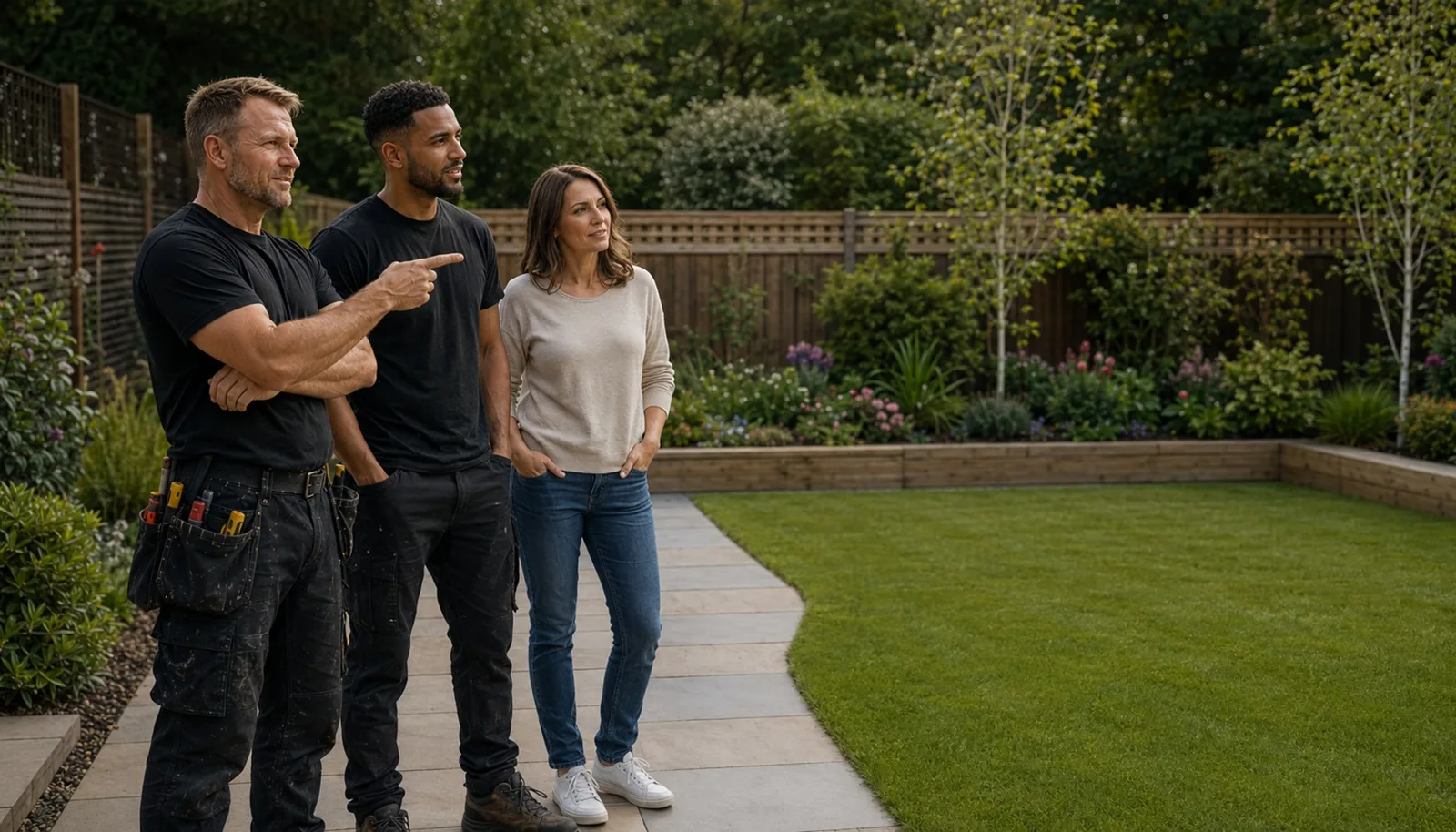
G&M Property Maintenance supports practical garden improvement, lawn work, manageable planting areas and repairs to patios or paths. The design should suit the property, access, level changes and the amount of upkeep the customer realistically wants.
Garden tidy and low-maintenance improvement
Overgrown areas can be cut back and reorganised to make access, boundaries and existing defects visible. A low-maintenance garden does not have to mean a featureless sheet of hard surface. Gravel, planting, useful lawn and paved routes can be combined in sensible proportions.
Lawn preparation and turf
New turf needs more than a green top layer. Levels, preparation, soil condition, firming and watering arrangements affect establishment. The customer should understand the immediate aftercare before the turf is laid.
Raised beds and practical features
Raised beds can organise planting and reduce difficult edges, but materials, drainage and soil load need considering. Timber in contact with soil should be appropriate for the use; masonry beds need stable support and suitable drainage.
Patio and path repairs
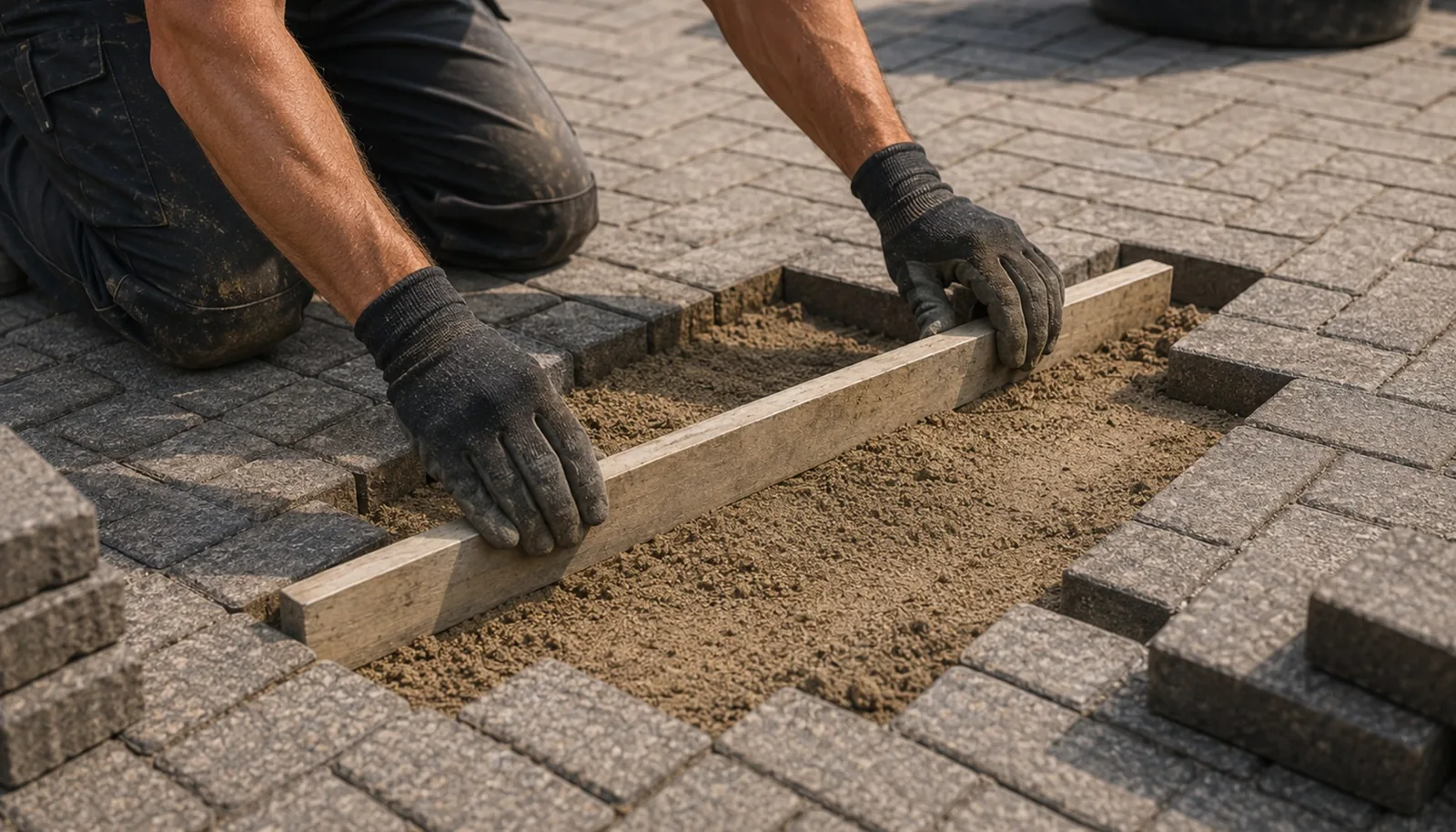
Loose, sunken or rocking paving may result from failed bedding, poor edge restraint, water, roots or an inadequate base. Local lifting and relaying can be effective when the surrounding construction is sound.
Levels and rainwater
Hard surfaces should not casually direct water towards the building, across a neighbour's property or onto the public highway. Front-garden paving has specific planning considerations where impermeable areas exceed the relevant threshold and do not drain to a permeable area.
The correct solution depends on ground conditions, existing drainage and the scale of the work. A soakaway or larger drainage design should not be promised without appropriate assessment.
Groundworks and external drainage · Warning signs of drainage problems
Access, edges and trip points
Paths should be useful for the people who actually use the property. Changes to levels, steps, narrow gates and transitions at doors matter. Edges need support so the surface does not spread or break down.
Questions about landscaping and paving
Can only the sunken slabs be relaid?
Sometimes. The cause and surrounding base need checking. If a wider area is moving, a small patch may not remain level.
Can a garden be made low maintenance?
Yes, but every surface still needs some care. We can discuss the balance between planting, lawn, gravel, paving and access.
Does a patio need drainage?
It needs a safe route for surface water. Whether that is achieved through falls, permeable areas, channels or another arrangement depends on the site.
Can work begin without clearing the garden?
Access and removal should be agreed. Hidden levels, roots or damaged boundaries may only become clear after controlled clearance.
Send a wide view of the whole area
Include access points, doors, drains, level changes and the area where water collects—not only a close-up of the loose slab.